The Flying Vicomtesse
The Vicomtesse Rosemary de Pierres was an ex-WRAN, farmer, aviator, shire councillor, former President of Zonta and the 99’s, mum, and damn good bush cook. She lived in the Wheatbelt region of Western Australia and spent a large part of her life cooking meals and delicious desserts for shearers, farmers, and her family and friends.
Like many country women, she learned how to how to create tasty, hearty, nutritious food with a limited choice of ingredients. In this collection of her best recipes, you’ll get to enjoy a little bit of her magic.
You can read more about Rosemary in the Women’s Museum of Australia. You can also soak in some of her memoirs as captured by the State Library of WA.
Love you, Mum. Thanks for the cheesecake. x
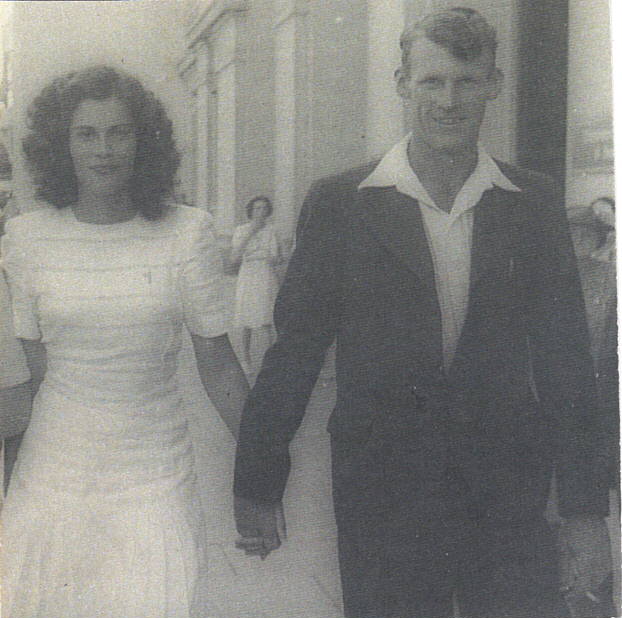
Below is a statement Rosemary made about serving in the WRANS. This is copied from the West Australian government website
“I, Rosemary Mina de Pierres (nee Vincent), was born on the 28th of May 1926 at East Perth. My education was at Loreto Convent, Claremont for eleven years, followed by one year at the University of Western Australia.
I then moved into the work force with the Bank of New South Wales for eighteen months. In May 1945, I enlisted in the Women’s Royal Australian Naval Service as a driver, to try and help do something for our war effort.
After six weeks basic training, I was posted as a general duties driver to the HMAS LEEUWIN base at Fremantle. I volunteered for overseas service but the war concluded within a few months and I spent my time in fairly mundane tasks transporting Navy personnel to and from ships, around Perth and Fremantle and out to Perth Airport.
Though the work was not very exciting there was good camaraderie amongst the staff, and we had a feeling of doing something very worthwhile for the country. Service life matured us and gave us a perspective on the world that could not be gained in ‘Civvy Street’.
I was sitting in a Naval staff car in Fremantle waiting to pick up an officer when I heard that Japan had surrendered. We were all excited and there were wild celebrations everywhere, but I remember also being reflective and sad as I had lost a very good friend who had been killed in action serving with the RAAF.
We were not discharged until May 1946, and so we all had been slowly adjusting to life without the immediate threat of invasion for some time as the Japanese were pushed back through the Pacific Islands. Because of this, the change to civilian life was not too difficult for me. I returned to work in the bank after my discharge but within a year had married my fiancé , a farmer and moved to the wheatbelt.
On reflection, my life in the WRANS, although reasonably short, was beneficial in many ways instilling discipline and common purpose. At times, it had excitement, and overall there was a sense of service to Australia.”
 The Flying Vicomtesse